
In the Shadows of Seydou Keïta: Finding Light in the Streets
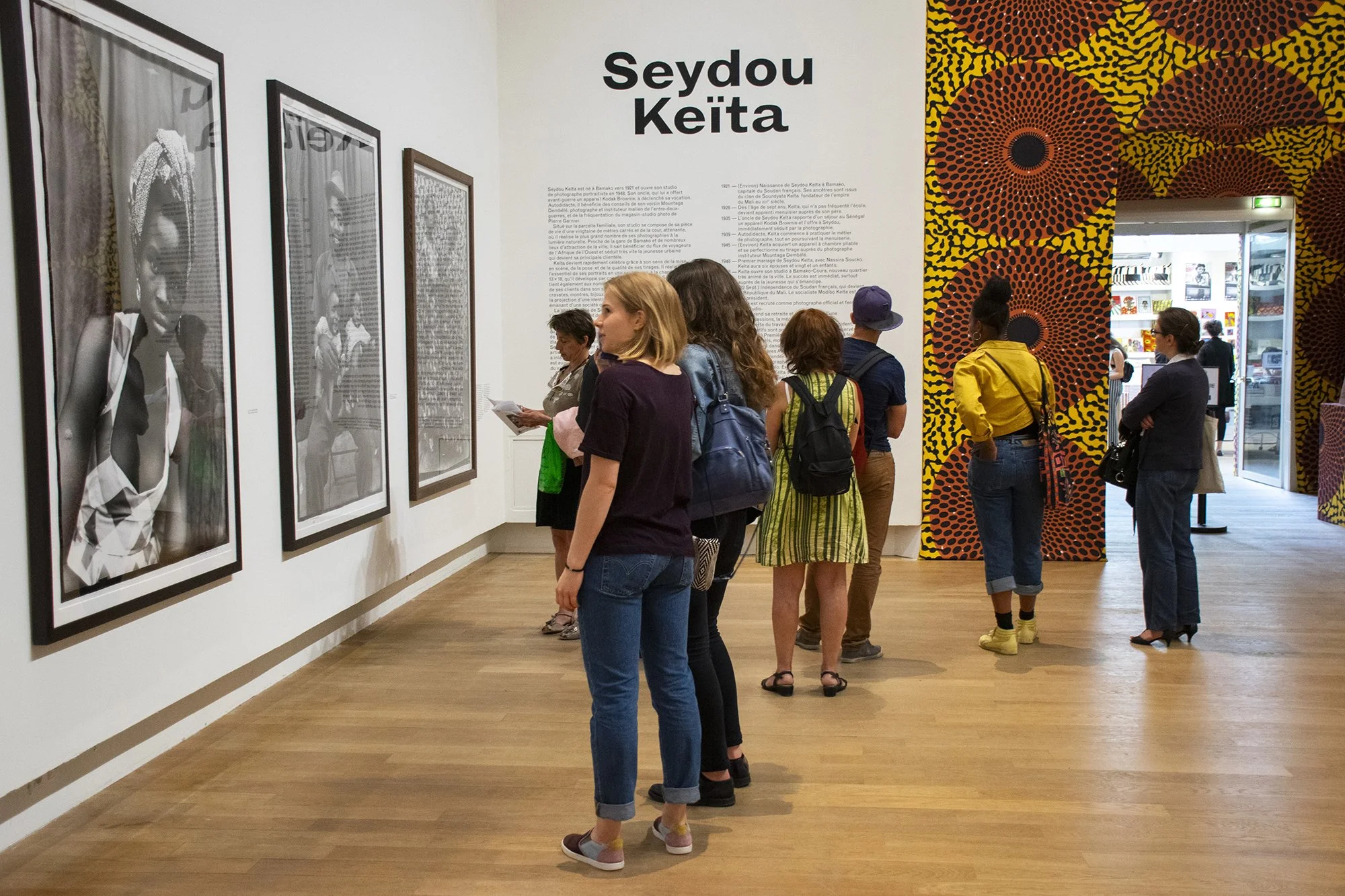
Seydou Keïta Exhibition, Grand Palais, Paris, France (2016) Credit: R. George
As the end of the year approaches, I find myself thinking about the beautiful ways we come together—sharing laughter, building memories, capturing them through the click of a camera, and printing them so they can live with us for years to come. Each photograph we hold in our hands becomes more than just an image; it turns into a treasured fragment of time, carrying the warmth and joy of those who mean the most.
Seydou Keïta (1921-2001) was the first to show me how light could speak. Born in Bamako, Mali—my homeland—he received his first Kodak Brownie camera at sixteen, and from that gift, a legacy began. With quiet genius, he transformed the corners of his courtyard into scenes of elegance and pride.
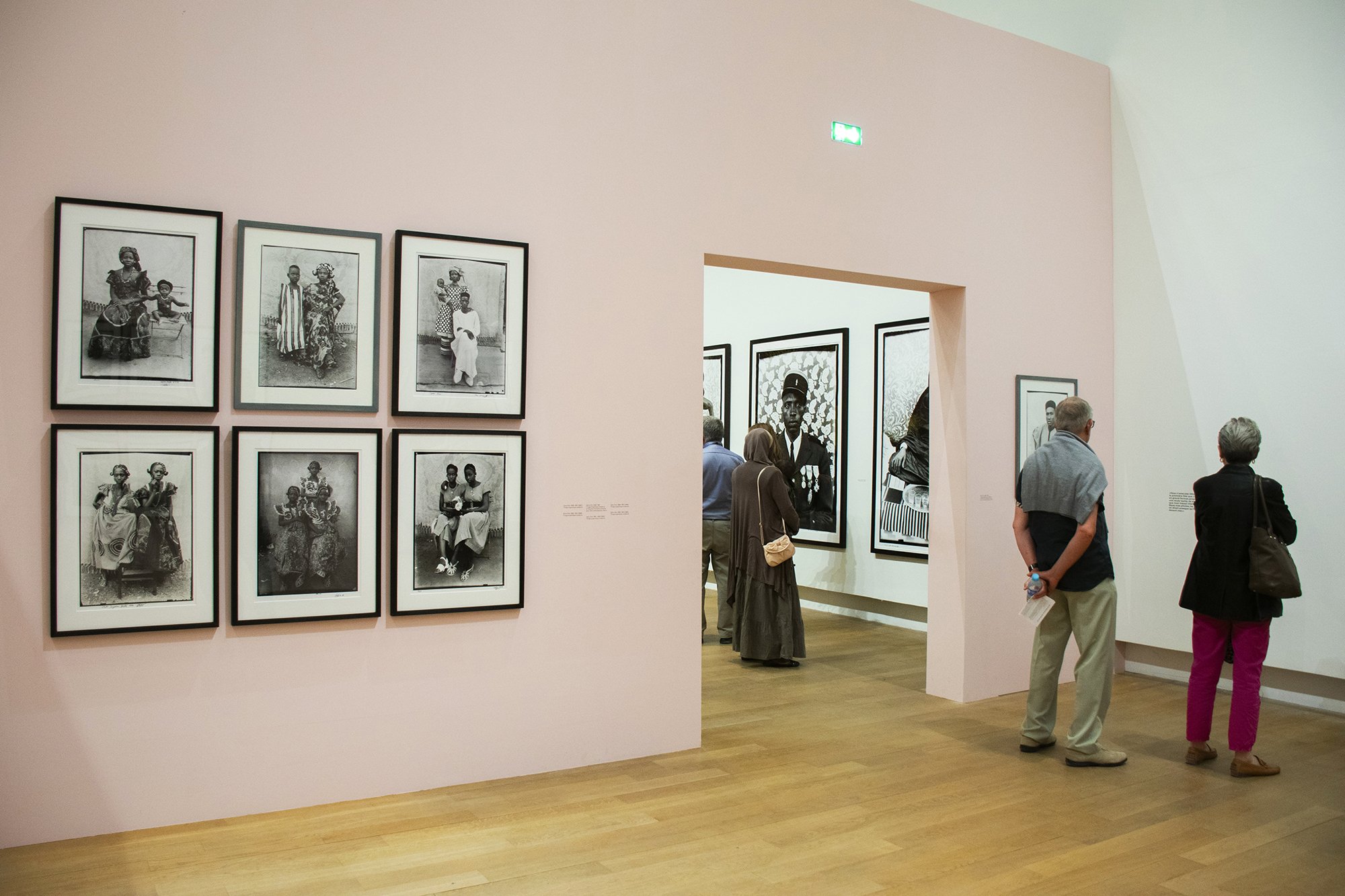
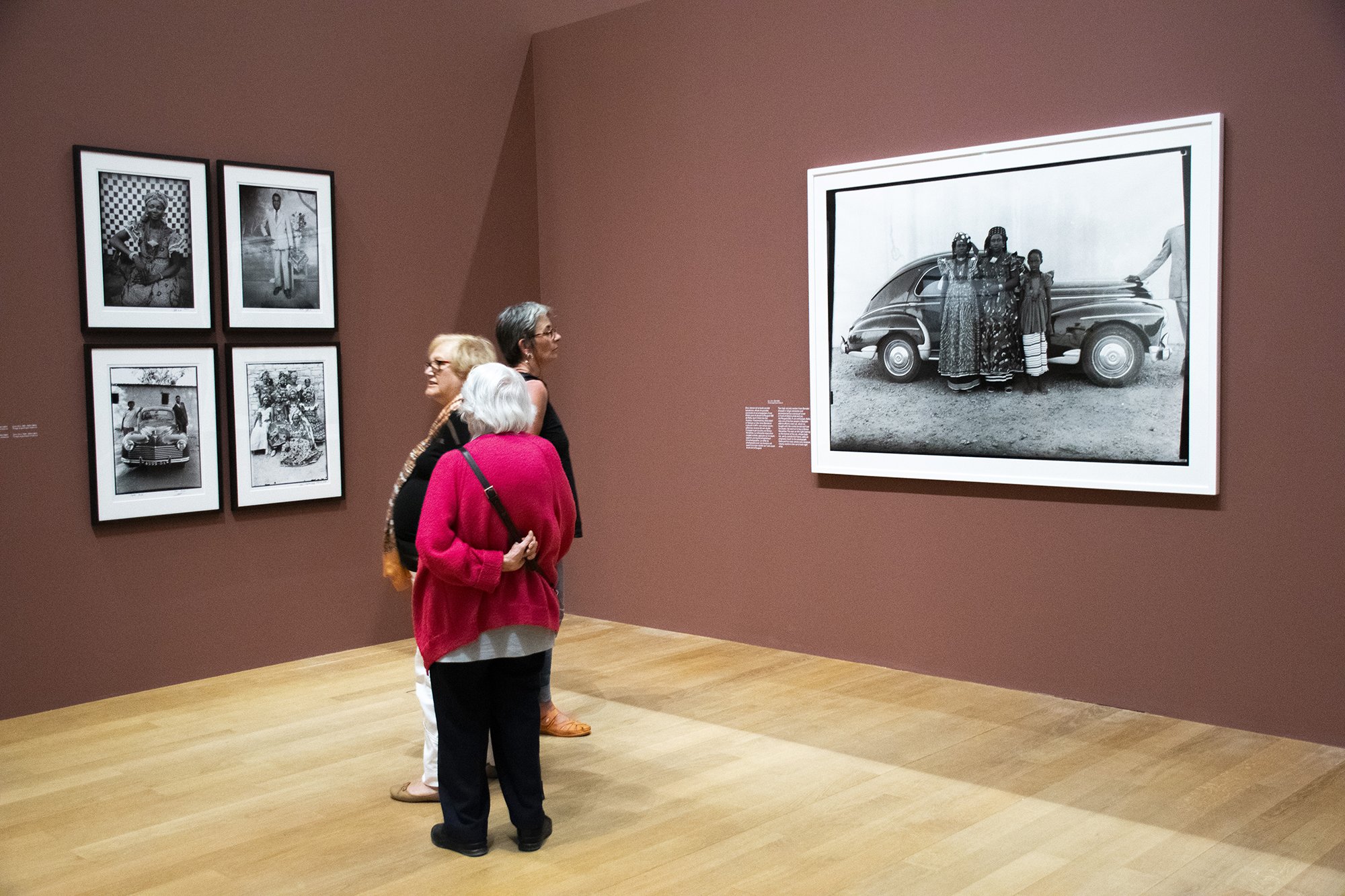
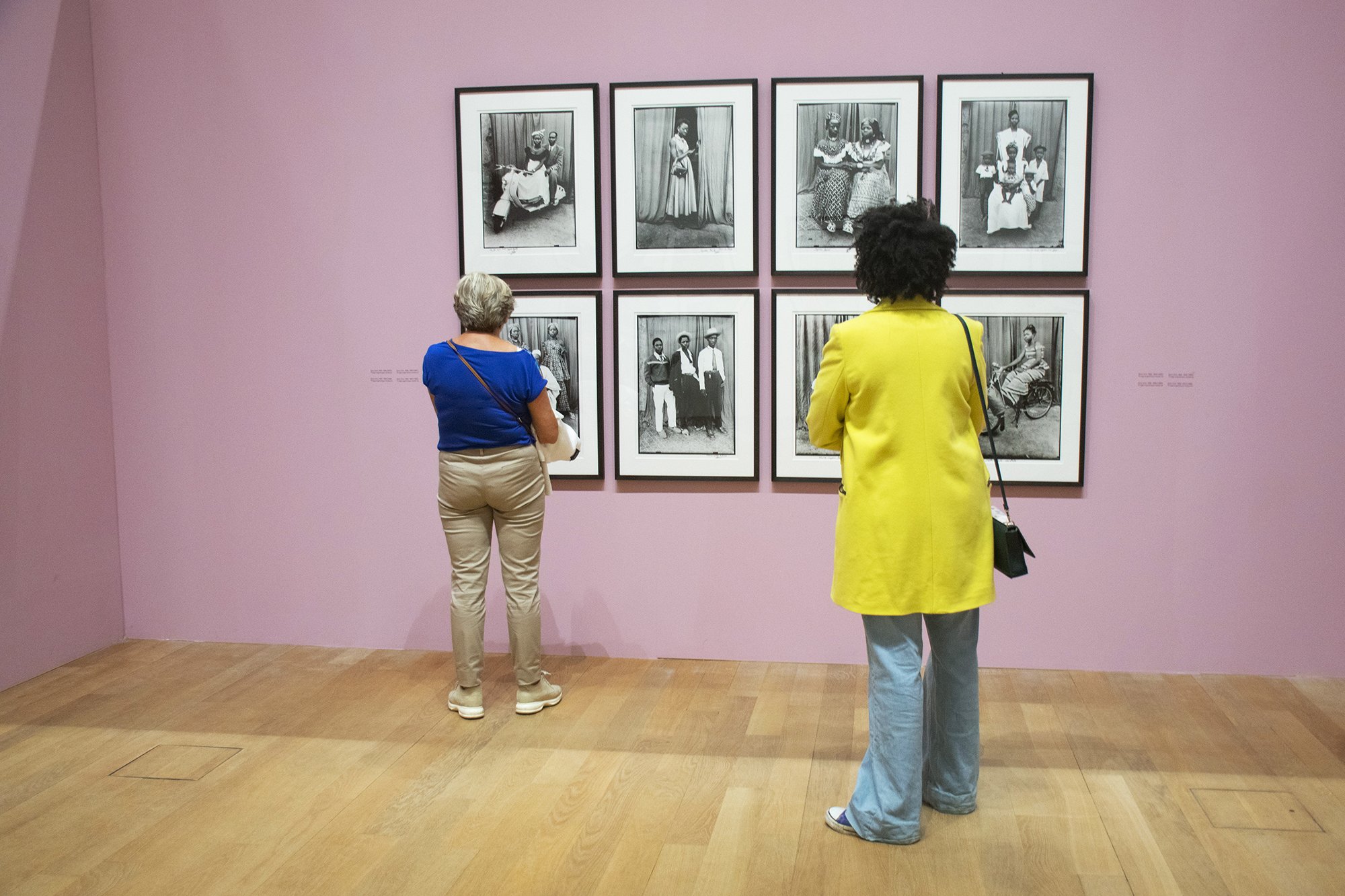
When I was young, my family often visited his studio. I still remember how his smile put people at ease, how his calm precision gave every portrait the dignity it deserved. He worked with natural light, one exposure at a time, searching for truth in the simplest form.
At that age, I didn’t yet understand the craft behind his art. I only knew that his portraits felt alive—as if every subject carried a hidden story. Years later, as life took me far from Mali, those same black‑and‑white portraits traveled with us, hanging on our walls, and reminding us of life back home. By the time I received my first camera, his influence had quietly shaped how I saw the world through a lens.
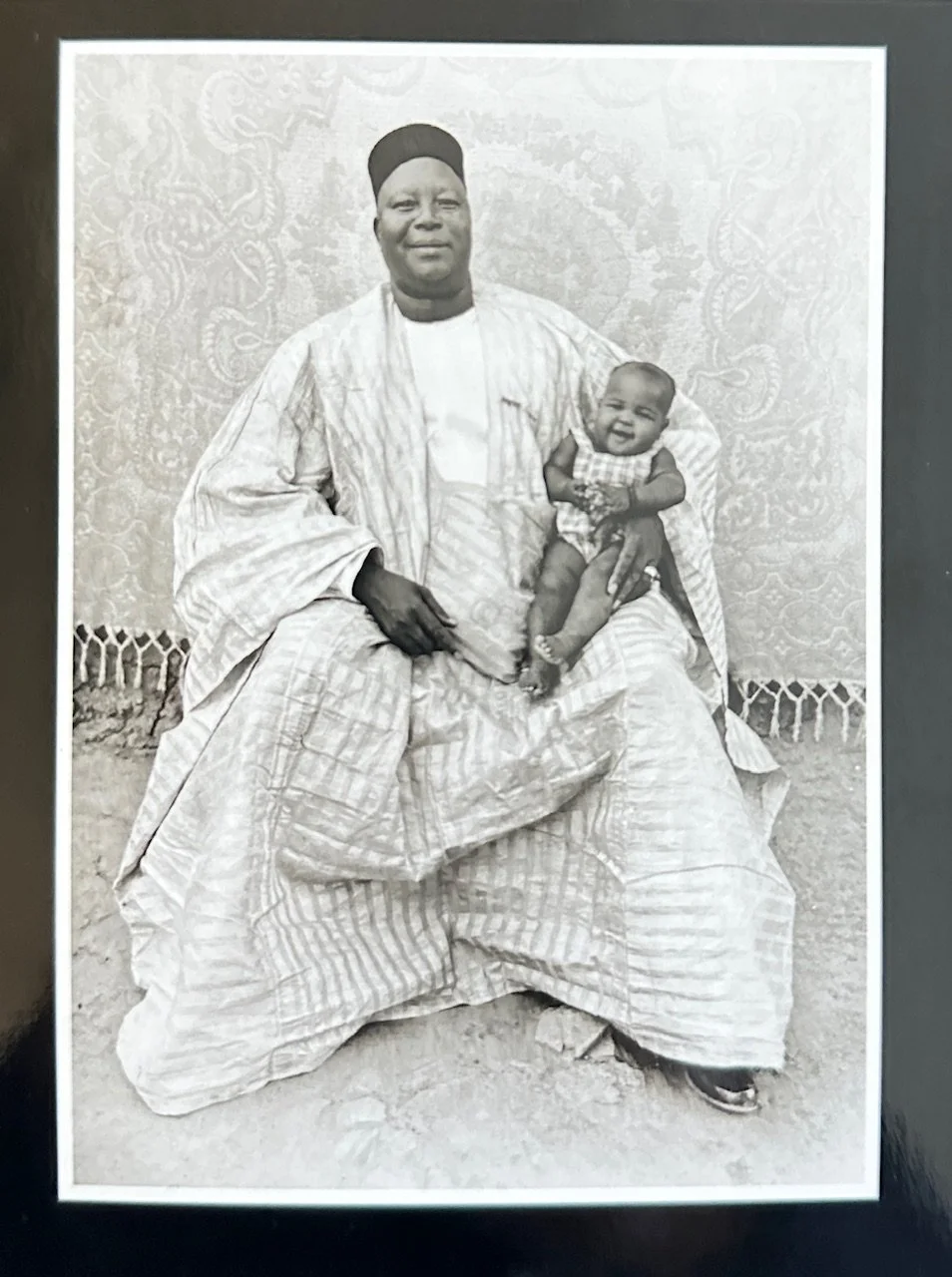
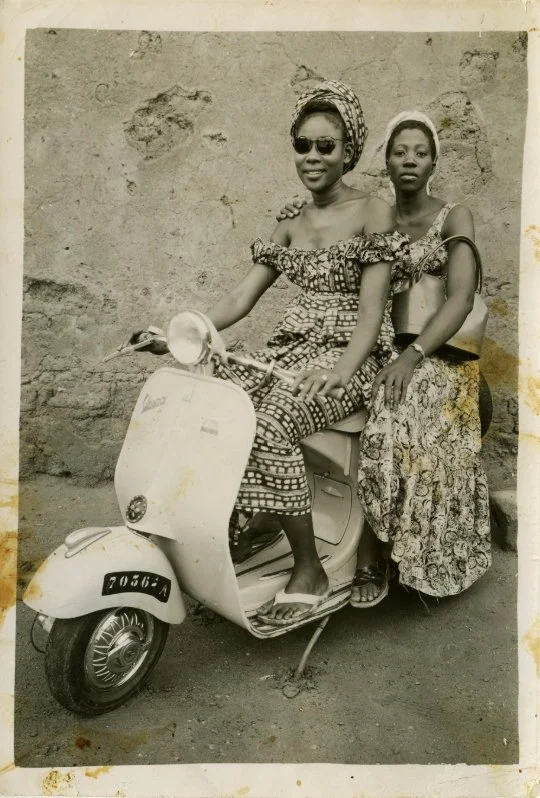
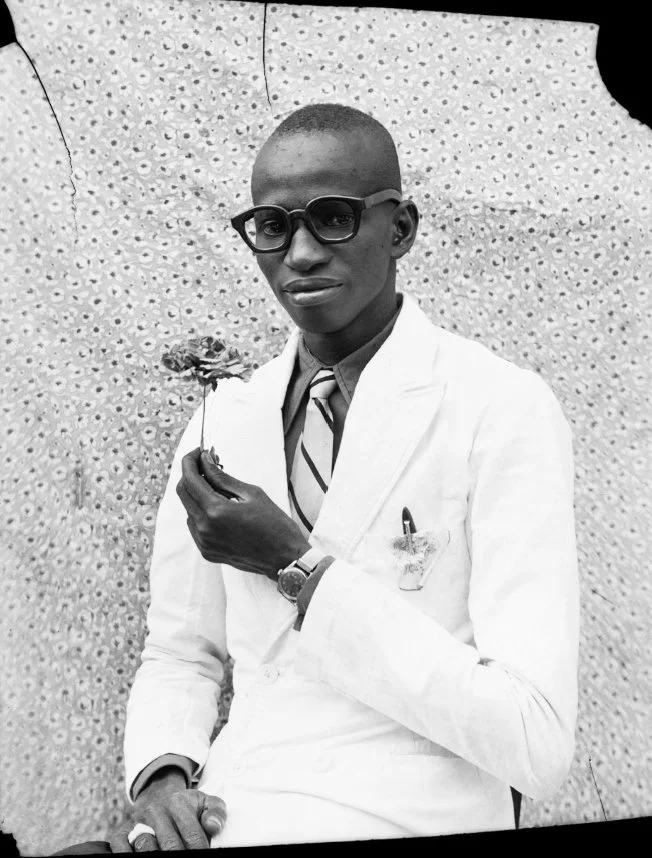
Unlike Keïta who specialized in black and white portraiture, I photograph in open spaces—capturing the tempo of urban living, the streets, fleeting gestures, shadows shifting at sunset. Still, what I chase is the same thing he sought: harmony between light and being. His discipline taught me that there is rhythm even in chaos, and that grace often hides in life’s smallest, quietest moments.
He once said that the secret of a great photograph isn’t just in taking it, but in positioning someone to reveal their best self. Over time, I came to see that same wisdom in a broader sense—not about others, but about finding my own place, the angle from which life aligns with light. In today’s digital world overflowing with endless shots, I pause to remember how Keïta made art with just one frame.
Every time I press the shutter, it feels like a conversation—with him, with Bamako, with the past. His presence lingers in every black and white photograph I take. Through his lens, I learned that photography is not only about seeing—it’s about honoring what we see. And in every image I create, I try, quietly and faithfully, to keep his light alive.
See more of Seydou Keïta’s photographs here: https://www.seydoukeitaphotographer.com/galerie/
If you happen to be in New York, consider seeing “Seydou Keïta: A Tactile Lens” an exhibition that is currently showing at the Brooklyn Museum until May 17, 2026
by, Rama George
*All photos by R. George